Design. Refine. Filter. FilterWizard® → LAUNCH NOW!


Microelectronics
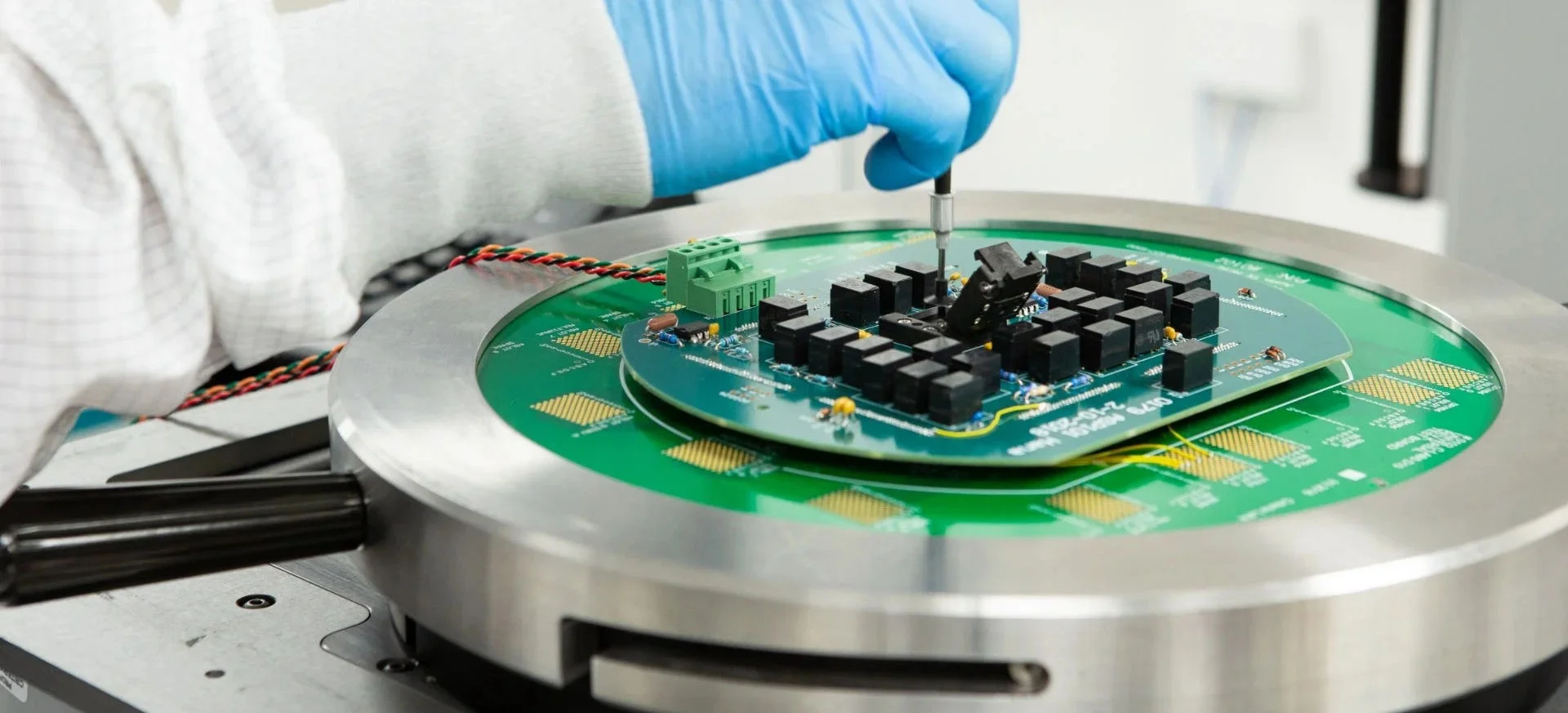
MPG provides high-reliability microelectronics design, hermetic package assembly, MIL-STD-883 upscreening and SMT tape and reel for space, defense and aerospace programs.
Space-Qualified Reliability
MIL-PRF-38534/38535 Class K, MIL-STD-883, NASA INST-0002 & ESA upscreening.
Controlled Clean-Room Processing
Class 100 clean room supporting high-volume hermetic and non-hermetic packaging.
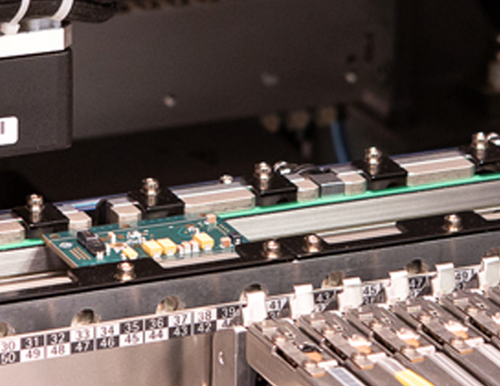
Dedicated U.S. Tape and Reel Facility
15,000-square-foot Penrose, CO facility — custom tooling and high-volume SMT tape and reel production.
Fast Turnaround
24–48 hour die tape and reel; prototype assembly and packaging in as little as 8 weeks.
Integrated Design-to-Delivery Support
Engineering, packaging, qualification and production services coordinated through a single partner.
Services
Contact us for an individual process or coordinated support from design through delivery.
- Surface mount device
- De-tape
- Manual defect inspection to six sides
- Trays, tubes, waffle packs, thermoformed trays, bulk, wafers, etc.
- Tape to tray, tape to tube, tape to waffle pack, tape to bulk
- Standard and Customizable Bar-code labeling
- 2D, 3D, and manual inspection
- Tray or tube bake
- Kapton tape
- Heat seal or PSA
- Cobalt dichloride/Cobalt dichloride Free HIC’s Dry-Pack
- Clay desiccant
- 2D, 3D, and manual inspection
- Tray or tube bake
- Kapton tape
- Large inventory of carrier tape
- Automated or manual placement
- Recover
- Custom designed carrier tape for your unique applications
- Tray to tray scan
- Capacitance or resistance testing
- Tube to tube scan
- SOIC’s
- PLCC’s
- Battery holders
- TSSOP’s
- SOJ’s
- Chip Resistors
- TSOP’s
- SOMC’s
- Washers
- MSOP’s
- SSOP’s
- Standoffs
- QFP’s
- VSOP’s
- Machined parts
- BGA’s
- QSOP’s
- SOT, 3,4,5,6 Leads
- uBGA’s
- QVSOP’s
- EZ-PCB Sockets
- FBGA’s
- DDPAK
- SMT Jumper Links
- QFN’s
- DPAK
- RFI Shield Fingers or Grounding Contacts
- DFN’s
- TO263
- SMD trimmers
- FPAKMIJ’s
- Spring-loaded pins
- Power Inductors
- Test Points
- Connectors
- Transceivers
- Solder Preforms
- RF Shielding
- Dip Switches
- Medical Device outer casing
- Fasteners
- MOSFET
- LED’s
- Jumper Wires
- Terminal Blocks
- RFI Shield Clips
- Pins
- Screws
- SMT Test Points
- Switch
- Board mount transformers
- SMT Coin Cell Battery Holders
- SMD Antennas
- Oscillators
- PLCC Sockets
- GPS Receivers
- Potentiometer
- Ceramic Resonator
- Lithium Batteries
- Chip Capacitors
- Fresnel Lens-Solar Industry
- Test Points
Design
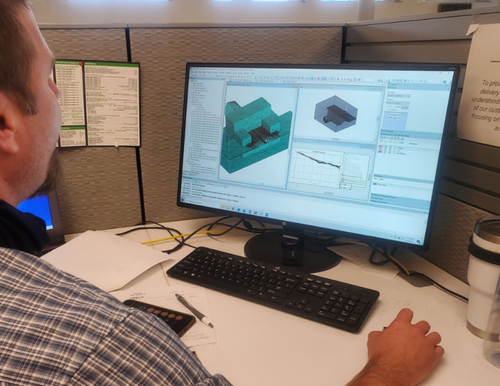
Turnkey microelectronics design to customer specifications, including RF module design, electromagnetic simulation, substrate layout, flip-chip integration, and MCM/SiP chip-and-wire solutions.
Qualification
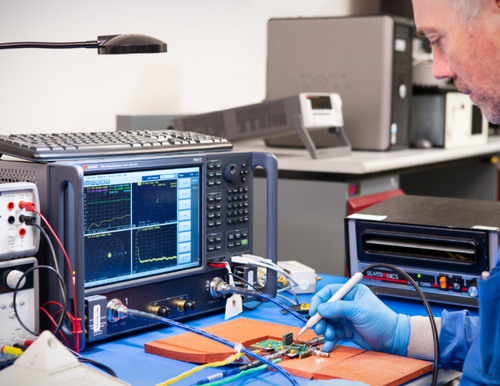
Design and package qualification support for high-reliability applications, including custom burn-in boards, test boards and carriers for high-temperature aging and electrical testing.

Package Assembly
Microelectronics packaging services from wafer dicing and die attach through assembly of GaAs/GaN RF modules, hybrids and high-temperature multi-chip modules.
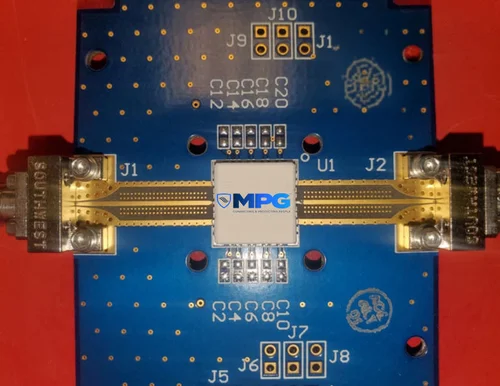
Upscreening
Component upscreening for high-reliability space, defense, missile and radar applications. MPG develops and executes screening flows based on program requirements, applicable standards, and component risk.
Explore Our Products
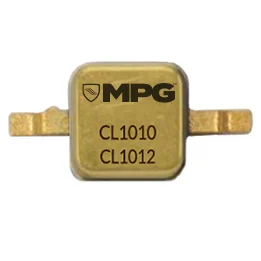
Gain Blocks
RF gain-block amplifiers for signal-chain applications, with standard and custom configurations available for qualified requirements.
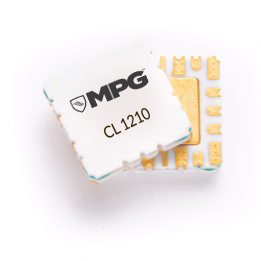
GaN Power Amplifiers
Custom GaN power-amplifier design and integration for high-power, high-efficiency RF applications.
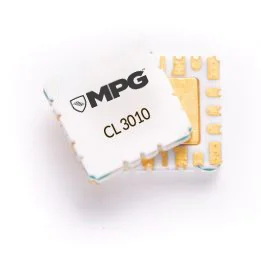
MCMs & Hybrids
Custom multi-chip modules and hybrid microcircuits designed, assembled and prepared for high-reliability space and defense requirements.
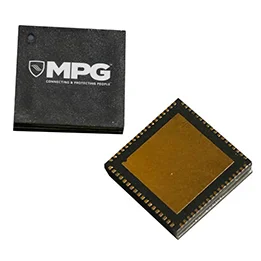
QFN Packaged Bandpass Filters
Quad Flat No-Lead Package (QFN) Filters offer durable performance in a cost-effective small package; they can fit a wide range of applications, including those in the following markets: defense, EW, RADAR, communications, and SATCOM.
|
Part# |
Technology |
Package |
F Low (MHz) |
F High (MHz) |
Gain (dB) |
NF (dB) |
OP1 (dBm) |
OIP3 (dBm) |
Vcc (V) |
Icc (ma) |
|---|---|---|---|---|---|---|---|---|---|---|
|
CL-1010 |
InGap HBT |
SMT2 |
10 |
6000 |
15.5 |
4.5 |
19 |
38 |
5 |
80 |
|
CL-1012 |
InGap HBT |
SMT2 |
10 |
6000 |
20 |
3.7 |
18.2 |
35 |
5 |
71 |
|
CL-1014 |
E-pHEMT |
SMT2 |
30 |
2000 |
21 |
1 |
23.9 |
37.4 |
5 |
141 |
|
CL-1016 |
pHEMT |
SMT2 |
500 |
8000 |
21 |
1.2 |
19.6 |
30.5 |
5 |
60 |
|
CL-1018 |
pHEMT |
SMT2 |
10 |
10000 |
19.5 |
1.1 |
21 |
33 |
5 |
65 |
|
CL-1020 |
InGap HBT |
SMT2 |
10 |
6000 |
19.3 |
3.9 |
18.2 |
29 |
5 |
93 |
|
CL-1024 |
EpHEMT |
SMT2 |
50 |
4000 |
18.4 |
0.8 |
19 |
34 |
5 |
58 |
|
CL-1026 |
InGap HBT |
SMT2 |
10 |
12000 |
16.7 |
3.9 |
15.9 |
29.1 |
5 |
48 |
|
CL-1028 |
InGap HBT |
SMT2 |
0 |
7000 |
16 |
5.5 |
21 |
35.8 |
5 |
108 |
|
CL-1034 |
InGap HBT |
SMT2 |
0 |
10000 |
15 |
4 |
13 |
25 |
5 |
50 |
|
CL-1038 |
InGap HBT |
SMT2 |
0 |
10000 |
14 |
4.5 |
13 |
24 |
5 |
56 |
|
CL-1046 |
E-pHEMT |
SMT2 |
50 |
4000 |
11.3 |
0.8 |
22.3 |
41.6 |
5 |
97 |
|
CL-1056 |
E-pHEMT |
SMT2 |
30 |
2000 |
19.7 |
1 |
18.8 |
30.9 |
3 |
72 |
|
CL-1058 |
E-pHEMT |
SMT2 |
50 |
4000 |
17.6 |
0.8 |
16.4 |
28.5 |
3 |
33 |
|
CL-1060 |
|
|
|
|
|
|
|
|
|
|
|
CL-1064 |
E-pHEMT |
SMT2 |
50 |
1500 |
15.2 |
4 |
25.8 |
45 |
9 |
182 |
|
CL-1066 |
E-pHEMT |
SMT2 |
30 |
2000 |
21.3 |
1.2 |
28.4 |
44.4 |
8 |
235 |
|
CL-1068 |
pHEMT |
SMT2 |
500 |
8000 |
21.9 |
1.2 |
21.2 |
36.8 |
6 |
77 |
|
CL-1070 |
|
|
|
|
|
|
|
|
|
|
|
Part# |
Technology |
Package |
F Low (MHz) |
F High (MHz) |
Gain (dB) |
Pout (W) |
PAE (%) |
OIP3 (dBm) |
Vcc (V) |
Icc (ma) |
|---|---|---|---|---|---|---|---|---|---|---|
|
CL-1210 |
GaN |
7x7 QFN |
27000 |
31000 |
25 |
5 |
25 |
N/A |
20 |
140 |
|
Part# |
Technology |
Package |
F Low (MHz) |
F High (MHz) |
Gain (dB) |
NF (dB) |
Pout (W) |
OIP3 (dBm) |
Vcc (V) |
Icc (ma) |
|---|---|---|---|---|---|---|---|---|---|---|
|
CL-3010 |
Limiter + LNA |
7x7 QFN |
4000 |
20000 |
17 |
2 |
N/A |
28 |
100 |
5 |
|
Part# |
Technology |
Package |
F Low (MHz) |
F High (MHz) |
Gain (dB) |
NF (dB) |
OP1 (dBm) |
OIP3 (dBm) |
Vcc (V) |
Icc (ma) |
|---|---|---|---|---|---|---|---|---|---|---|
|
CL-1010 |
InGap HBT |
SMT2 |
10 |
6000 |
15.5 |
4.5 |
19 |
38 |
5 |
80 |
|
CL-1012 |
InGap HBT |
SMT2 |
10 |
6000 |
20 |
3.7 |
18.2 |
35 |
5 |
71 |
|
CL-1014 |
E-pHEMT |
SMT2 |
30 |
2000 |
21 |
1 |
23.9 |
37.4 |
5 |
141 |
|
CL-1016 |
pHEMT |
SMT2 |
500 |
8000 |
21 |
1.2 |
19.6 |
30.5 |
5 |
60 |
|
CL-1018 |
pHEMT |
SMT2 |
10 |
10000 |
19.5 |
1.1 |
21 |
33 |
5 |
65 |
|
CL-1020 |
InGap HBT |
SMT2 |
10 |
6000 |
19.3 |
3.9 |
18.2 |
29 |
5 |
93 |
|
CL-1024 |
EpHEMT |
SMT2 |
50 |
4000 |
18.4 |
0.8 |
19 |
34 |
5 |
58 |
|
CL-1026 |
InGap HBT |
SMT2 |
10 |
12000 |
16.7 |
3.9 |
15.9 |
29.1 |
5 |
48 |
|
CL-1028 |
InGap HBT |
SMT2 |
0 |
7000 |
16 |
5.5 |
21 |
35.8 |
5 |
108 |
|
CL-1034 |
InGap HBT |
SMT2 |
0 |
10000 |
15 |
4 |
13 |
25 |
5 |
50 |
|
CL-1038 |
InGap HBT |
SMT2 |
0 |
10000 |
14 |
4.5 |
13 |
24 |
5 |
56 |
|
CL-1046 |
E-pHEMT |
SMT2 |
50 |
4000 |
11.3 |
0.8 |
22.3 |
41.6 |
5 |
97 |
|
CL-1056 |
E-pHEMT |
SMT2 |
30 |
2000 |
19.7 |
1 |
18.8 |
30.9 |
3 |
72 |
|
CL-1058 |
E-pHEMT |
SMT2 |
50 |
4000 |
17.6 |
0.8 |
16.4 |
28.5 |
3 |
33 |
|
CL-1060 |
|
|
|
|
|
|
|
|
|
|
|
CL-1064 |
E-pHEMT |
SMT2 |
50 |
1500 |
15.2 |
4 |
25.8 |
45 |
9 |
182 |
|
CL-1066 |
E-pHEMT |
SMT2 |
30 |
2000 |
21.3 |
1.2 |
28.4 |
44.4 |
8 |
235 |
|
CL-1068 |
pHEMT |
SMT2 |
500 |
8000 |
21.9 |
1.2 |
21.2 |
36.8 |
6 |
77 |
|
CL-1070 |
|
|
|
|
|
|
|
|
|
|
|
Part# |
Technology |
Package |
F Low (MHz) |
F High (MHz) |
Gain (dB) |
Pout (W) |
PAE (%) |
OIP3 (dBm) |
Vcc (V) |
Icc (ma) |
|---|---|---|---|---|---|---|---|---|---|---|
|
CL-1210 |
GaN |
7x7 QFN |
27000 |
31000 |
25 |
5 |
25 |
N/A |
20 |
140 |
|
Part# |
Technology |
Package |
F Low (MHz) |
F High (MHz) |
Gain (dB) |
NF (dB) |
Pout (W) |
OIP3 (dBm) |
Vcc (V) |
Icc (ma) |
|---|---|---|---|---|---|---|---|---|---|---|
|
CL-3010 |
Limiter + LNA |
7x7 QFN |
4000 |
20000 |
17 |
2 |
N/A |
28 |
100 |
5 |
Frequently Asked Questions
MPG provides space-qualified hermetic package assembly from its Class 100 clean rooms in Austin, Texas. MPG is ITAR-registered and DLA MIL-PRF-38535 certified. It assembles ceramic and metal-can packages, hybrids and multi-chip modules, and GaAs/GaN RF modules up to 60 GHz. Hermetic sealing and MIL-STD-883 and NASA EEE-INST-002 upscreening are done in-house, so one U.S. supplier handles a program from die to qualified part.
Component upscreening is testing commercial or lower-grade electronic parts to show they meet a higher reliability level, such as military or space grade. Typical screening includes burn-in, temperature cycling, hermeticity checks, particle impact noise detection (PIND), X-ray inspection and electrical testing across temperature, performed to standards like MIL-STD-883 and NASA EEE-INST-002.
A program needs upscreening when a part it requires isn’t available in a qualified version, when lead times or costs for qualified parts are too high, or when an obsolete qualified part must be replaced. MPG builds screening flows from each program’s requirements, the applicable standards and the component’s risk, for space, defense, missile and radar applications.
Both are U.S. military performance specifications for microcircuits, managed by the Defense Logistics Agency (DLA) under its Qualified Manufacturers List (QML) program. The difference is what they cover. MIL-PRF-38534 covers hybrid microcircuits and multi-chip modules, which combine several die and components in one package. MIL-PRF-38535 covers monolithic integrated circuits, which are built on a single die.
Each spec has its own quality classes. Under MIL-PRF-38534, Class H is the standard military level and Class K is the space level. Under MIL-PRF-38535, Class Q is military and Class V is space. Both rely on MIL-STD-883 test methods for screening and qualification.
In practice, a program building custom RF modules or hybrids follows MIL-PRF-38534, and a program buying or packaging single-die ICs follows MIL-PRF-38535. MPG supports packaging, assembly and upscreening work under both.
Yes. MPG packages GaN and GaAs RF die into modules and high-temperature multi-chip modules at its Class 100 clean room facility in Austin, Texas. Its high-power processes include void-free die attach of GaN and GaAs power amplifier die, die-on-shim attach, and silicon carbide (SiC) die attach to thermal carriers. These keep heat moving out of the die, which is critical at high temperature.
Packaging options include ceramic LTCC and HTCC hermetic assemblies, polyimide chip-and-wire assemblies for high-temperature use, and flip-chip assembly, for RF modules from DC to 60 GHz. MPG can also build custom burn-in boards and carriers for high-temperature aging and electrical testing during qualification.
MPG tapes and reels bare die in 24 to 48 hours at its dedicated 15,000-square-foot facility in Penrose, Colorado. Standard lead time for other SMT components is 3 to 4 days, with same-day and next-day service available.
The facility builds custom carrier tape and tooling, inspects parts with 2D, 3D and manual methods, and handles baking and moisture-barrier dry packing. It is ISO-registered since 2002, follows ANSI/ESD S20.20 for electrostatic discharge control, and is compliant with EIA-481 tape-and-reel standards.
Yes. MPG’s microelectronics facility is registered under the International Traffic in Arms Regulations (ITAR) with the U.S. State Department’s Directorate of Defense Trade Controls. MPG is also an accredited Trusted Supplier and a DLA MIL-PRF-38535 certified assembly manufacturer, so it can handle export-controlled defense and space programs from design through packaging, upscreening and delivery.
MPG handles both. Prototype assembly and packaging can be completed in as little as 8 weeks, and MPG supports small-lot R&D builds, qualification lots, and low- to mid-volume production for space and defense programs. Its wafer and die processing scales from a few parts to large quantities, and its Penrose tape-and-reel facility handles high-volume production, so one supplier can carry a program from first prototype to flight hardware.
Use the contact form on MPG’s microelectronics page, or the Ask an Engineer page, and an MPG engineer will follow up to review your requirements. A quote moves faster if you include:
- Die or wafer details: material (GaN, GaAs, Si, SiC), size and quantity
- Package type or drawings, if you have them
- Required standards and screening level, such as MIL-STD-883 or MIL-PRF-38534 Class K
- Build quantity: prototype, qualification lot or production
- Target schedule
- Whether the design is export-controlled under ITAR
If you’re early in a design, MPG engineers can help define the packaging approach and screening flow before you request a formal quote.
Yes. MPG offers flip-chip assembly as part of its full microelectronics packaging portfolio, alongside chip-and-wire, hybrid, multi-chip module and chip-on-board assembly. Its design team integrates flip-chip die into custom RF modules and system-in-package designs. Assembly is done in MPG’s Class 100 clean room in Austin, Texas.
Flip chip mounts the die face-down with solder or metal bumps instead of wire bonds. The shorter connections reduce parasitic inductance and save space, which helps high-frequency RF designs. MPG engineers help each program choose flip chip, wire bond or a combination, based on frequency, thermal, reliability and qualification requirements.
Criteria Labs was acquired by MPG in 2024 and now operates as MPG’s microelectronics business, offering the same packaging, assembly, upscreening and tape-and-reel services from Austin, Texas and Penrose, Colorado.
Contact Us

Subscribe to receive all MPG updates.
SUBSCRIBE
REACH US AT
Microwave Products Group
13033 Trautwein Road
Austin, TX 78737
United States
Main: 410-749-2424
support@mpgdover.com
© COPYRIGHT ©2026, MPG - MICROWAVE PRODUCTS GROUP | A DOVER COMPANY | PRIVACY POLICY | COOKIES | TERMS OF USE